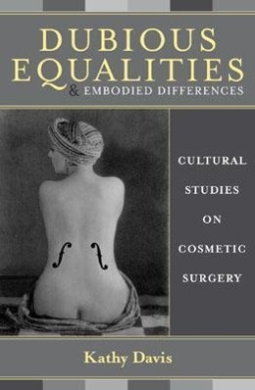
Description
“Dubious Equalities and Embodied Differences” explores cosmetic surgery as a cultural phenomenon of late modernity. From its onset as medical specialty at the end of the 19th century, cosmetic surgery has been intimately linked to discourses of “normalcy” as well as gender, race and other categories of difference. This link has shaped its technologies and techniques, its professional ideologies, and the objects of its interventions. Kathy Davis shows how cosmetic surgery is represented in medicine and popular culture, drawing upon a wide range of examples taken from the media, music, performance art, literature, public debates and medical texts. She uses her own uneasiness about the ubiquitous erasure of difference under the spurious banner of equality as symptomatic of the cosmetic surgery culture. Davis proposes an approach which takes embodied difference (collective and biographical), the experience of suffering, and an appreciation of individuals’ capacity for agency even under less-than-perfect circumstances as starting points for thinking about the normative issues involved in cosmetic surgery. Cosmetic surgery in a different voices; lonely heroes and great white clouds; the rhetoric of cosmetic surgery; surgical stories; surgical passing; “my body is my art”; “a dubious equality”.