Description
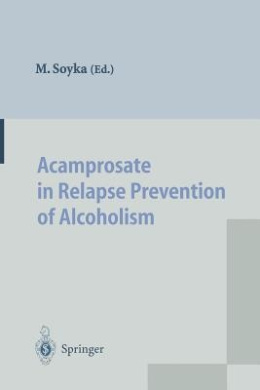
Acamprosate is the first new anticraving agent used prophylactically to prevent relapse in alcohol-dependent patients. This book presents an overview on basic mechanisms in alcohol dependence and craving and all the preclinical and clinical results are available to date on Acamprosate’s mechanisms of action and efficacy. Ethanol and the NMDA Receptor: Implications for Intoxication, Tolerance, Dependence, and Alcoholic Brain Damage.- The Neurobiology of Craving: Potential Mechanisms for Acamprosate.- Pharmacodynamics and Pharmacokinetics of Acamprosate: An Overview.- Actions of Acamprosate on Neurons of the Central Nervous System.- Acamprosate Decreases Alcohol Behavioral Dependence and Hypermotility After Alcohol Withdrawal But Increases Inhibitory Amino-Acids in Alcohol-Attracted Inbred Rats Using Microdialysis of the Nucleus Accumbens.- Event-Related Potentials and EEG as Indicators of Central Neurophysiological Effects of Acamprosate.- Effects of Acamprosate on Verbal Learning in Healthy Young Subjects.- Acamprosate in Clinical Practice: The French Experience.- Acamprosate Clinical Trials: Methodological Considerations for Assessment of Drinking Behaviour.- Acamprosate in the Treatment of Alcohol Dependence: A 6-Month Postdetoxification Study.- Contribution of Acamprosate in Maintaining Abstinence in Weaned Alcohol-Dependent Patients: Additional Results of the Second French Multicentre Study.- Clinical Efficacy of Acamprosate in the Treatment of Alcoholism.