Description
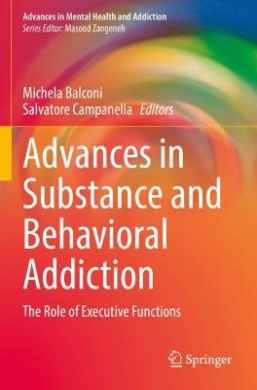
Part 1 The executive functions in traditional and behavioral addictions Chapter 1. Similarities and differences between old and behavioral addictions: Focus on executive functions Chapter 2. The assessment of executive functions: A new neuropsychological tool for the assessment of executive functions”) 2.1. Structure of neuropsychological battery 2.2. Potential applications: Salience and innovativeness 2.3. An empirical study Chapter 3. Analysis of executive functions in pathological gambling disorder 3.1. Data analysis: A comparison between a control group and a pathological group 3.2. A further comparison between substance use disorder and pathological gambling disorder Part 2 Prevention and treatment of addictions Chapter 4. Neuroenhancement of executive functions in addictions Chapter 5. Mindfulness as a way for treating addiction-related disorders Chapter 6. Neuromodulation techniques in the treatment of addictions 6.1. TMS 6.2. tDCS 6.3. Neurofeedback Chapter 7. Comorbidities between mental disorders and addictions 7.1. Stress and anxiety: risk and maintenance factors of addictions Part 3 Some mechanisms behind addictions Chapter 8. Impulse control and reward systems in old e new addictions Chapter 9. Interoception: an etiological mechanism or a tool for rehabilitation? Chapter 10. The theme of new addiction in the developmental age