Description
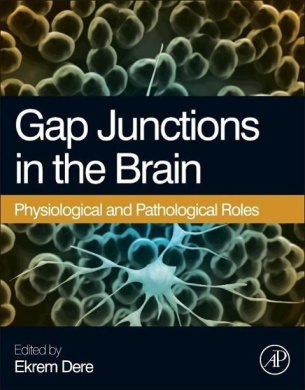
It has been long thought that intercellular communication in the adult mammalian brain is exclusively mediated by neurotransmission at chemical synapses. However, evidence from molecular, biological, electrophysiological, pharmacological, and genetic research has accumulated indicating that electrical synapses (or gap junctions) in the adult brain also contribute to intercellular communication. Gap junctions between glial cells or neurons are ubiquitously expressed in the mammalian brain and play a role in brain development, including cell differentiation, cell migration and survival, and tissue homeostasis as well as in human diseases including hearing loss, neuropathies, epilepsy, brain trauma, and cardiovascular disease. This book provides the most current and comprehensive reference available covering the physiological, behavioral and pathophysiological roles of gap junctions in the brain. It is geared for use by researchers, clinicians, and students.