Description
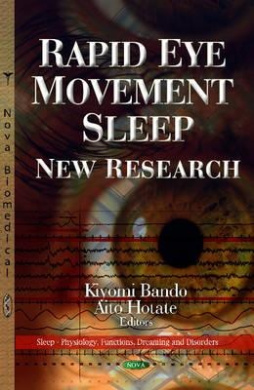
Rapid eye movement sleep (REM sleep) is a normal stage of sleep characterised by the random movement of the eyes. REM sleep is classified into two categories: tonic and phasic and criteria for REM sleep includes rapid eye movement, but also low muscle tone and a rapid, low-voltage EEG. REM sleep in adult humans typically occupies 20–25% of total sleep, about 90–120 minutes of a night’s sleep. In this book, the authors present current research on REM sleep including the relationship of depression to REM sleep; neural regulation of REMs and the critical role of GABA-ergic inhibition; physiological effects and genotoxicity in humans and models corresponding to sleep deprivation; and the pathogenic mechanisms of sleep hallucinations.