Description
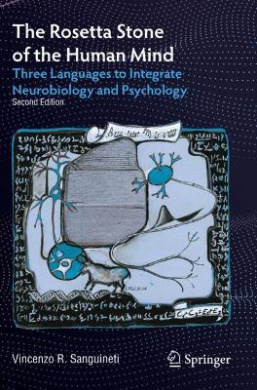
The study of the brain-mind complex has been hampered by the dichotomy between objective biological neuroscience and subjective psychological science. This book presents a new theoretical model for how to “translate” between the two, using a third language: nonlinear physics and mathematics. It illustrates how the simultaneous use of these two approaches enriches the understanding of the neural and mental realms. Contents Forewords: Danatella Marazziti…………………………………………………………………………………… ix Alwyn Scott…………………………………………………………………………………………….. xi Nick Manseld……………………………………………………………………………………….. xiii David R. Hawkins………………………………………………………………………………….. xvii Introduction………………………………………………………………………………………………. xxi The Puzzle………………………………………………………………………………………………… xxv Part I: Learning the Languages………………………………………………………………………… 1 1. Humanity’s Search for Mind and the Subject: A Brief Review of the Evolution of Neuropsychobiology………………………………………………………… 3 2. An “Ideographic,” Suprapersonal Language of Rules and Universal Symbols: Alwyn Scott and Nonlinear Dynamics…………………………………………… 15 3. A “Demotic,” First-Person Language of the Individual and the Social System: Apuleius and the Myth of Psyche…………………………………………… 27 4. The Language of the Objective Observer: Gerald Edelman and Neurodarwinism: Antonio Damasio and the Feeling of Knowing…………………………………………………………. 33 Gerald Edelman and Neurodarwinism…………………………………………………………………………………… 35 Antonio Damasio and the Feeling of Knowing……………………………………………………………………… 39 Part II: Seeking the Understanding…………………………………………………………………. 45 5. Consciousness…………………………………………………………………………………………… 47 6. The Unconscious……………………………………………………………………………………….. 59 7. The Database…………………………………………………………………………………………….. 71 8. Affectivity………………………………………………………………………………………………… 79 9. The Neural/Mental Gap: Intuition, Self and Ego, a Trilingual Map…………………… 91 Part III: Applying the Knowledge………………………………………………………………….. 101 10. The Three Languages and Science: A New Scientic Paradigm?…………………… 103 11. The Three Languages and Treatment………………………………………………………….. 115 12. The Psychotherapeutic Dialogue: Intersubjectivity……………………………………….. 127 13. The Role of a New Science for Psyche Upon Society and Culture…………………. 135 References…………………………………………………………………………………………….. 147 Name Index…………………………………………………………………………………………… 151 Subject Index 153