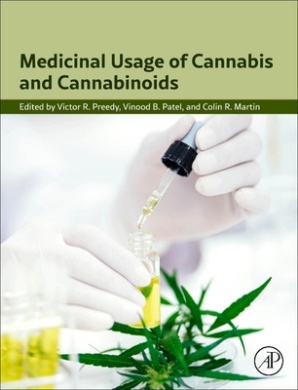
Description
I. Setting the scene and introductory chapters 1. How medical cannabis may influence the future of medicine 2. Medical cannabis and cannabinoids: how best to extract components from plant material 3. Medicinal usage of cannabis and its impact on mental health among cancer patients and survivors 4. Cannabis sativa as a traditional phytomedicine: a new narrative covering different countries 5. Medical use of cannabis in the middle east 6. What medicinal cannabis is used for: a focus on Canada 7. New York perspectives of medical cannabis laboratory analysis 8. Epigenetic regulations on the quality of clonal cannabis plants: secondary metabolites and profiles 9. Aberrant use of medicinal cannabis: theoretical and empirical considerations 10. Profile of older users of medical cannabis and cannabinoids 11. Use of cannabidiol oil by caregivers: a focus on Alzheimer’s disease 12. Medicinal use of cannabis: adverse events as a balanced perspective II. Physiological aspects and metabolic aspects 13. Physiopathology and use of cannabinoids for fibrotic diseases 14. Cannabinoids in inflammation and atherosclerosis 15. Targeting the CB(2) receptors and other endocannabinoid elements to delay disease progression in cardiovascular diseases 16. BMI in cannabis users: regulation, mechanisms and public health impact III. Neurological, psychological and behavioural aspects 17. Neuroprotection by cannabis related products, cannabidiol and cannabigerol, and associated mechanisms of action 18. Cannabis terpenes as neuroprotective agents: a focus on alpha-bisabolol 19. Cannabidiol in medicinal usage of stress: modelling investigations into cocaine 20. Medicinal cannabis and neurocognition impairment 21. Genetic models of audiogenic seizures: what they are and how cannabinoids and Cannabis-derived compounds can be used to alleviate their symptoms – an updated narrative 22. Addressing the validity of cannabinoid therapy as an option for the treatment of substance use disorder IV. Pharmacological and cellular aspects 23. Cannabidiolic acid (CBDA), features and profiles: anti-hyperalgesic effects 24. Cannabis-drug interactions: implications for medicinal cannabis use 25. Cannabinoid receptor subtype 2 (CB2R): features and targets for medical applications 26. Medical use of cannabidiol and impact on cancer cell viability 27. Anti-inflammatory and antioxidant and immunomodulatory effects of phytocannabinoid -caryophyllene: A mechanistic overview 28. Cancer patients and providers: Attitudes and beliefs of cannabis and cannabinoids use as a treatment 29. CBD (cannabidiol) use in breast cancer chemotherapy 30. Sleep: cannabis and cannabinoids use 31. Cannabis and cannabis related products and their uses in aiding sexual health of men and women 32. Symptom control in palliative care settings: The role of cannabis-based medicines 33. Cannabidiol (CBD) Use in Fragile X Spectrum Disorders 34. Hempseed (Cannabis sativa) and ameliorative effects in hypercholesterolemia 35. Benzodiazepines and cannabis use 36. Features of (+)-trans-cannabidiol-2-hydroxy pentyland applications to disease: a focus on usage in diabetic nephropathy 37. Medical use of cannabis: applications to Tourette syndrome 38. Cannabinoids and their use in chronic non-cancer pain: a new narrative review 39. Endometriosis: features and potential role of medical cannabis 40. Cannabis usage for Crohn’s disease and ulcerative colitis: a narrative 41. Medical cannabis and use in migraine 42. Cannabidiol (CBD ) and potential in medicinal use in rheumatoid arthritis 43. Role of Cannabinoids in Glaucoma: Lowering Intraocular Pressure or Neuroprotection 44. Medicinal potential of anandamide as a representative endocannabinoid and its effect at the cellular level in skin VI. Resources 45. Medical Cannabis and Resources